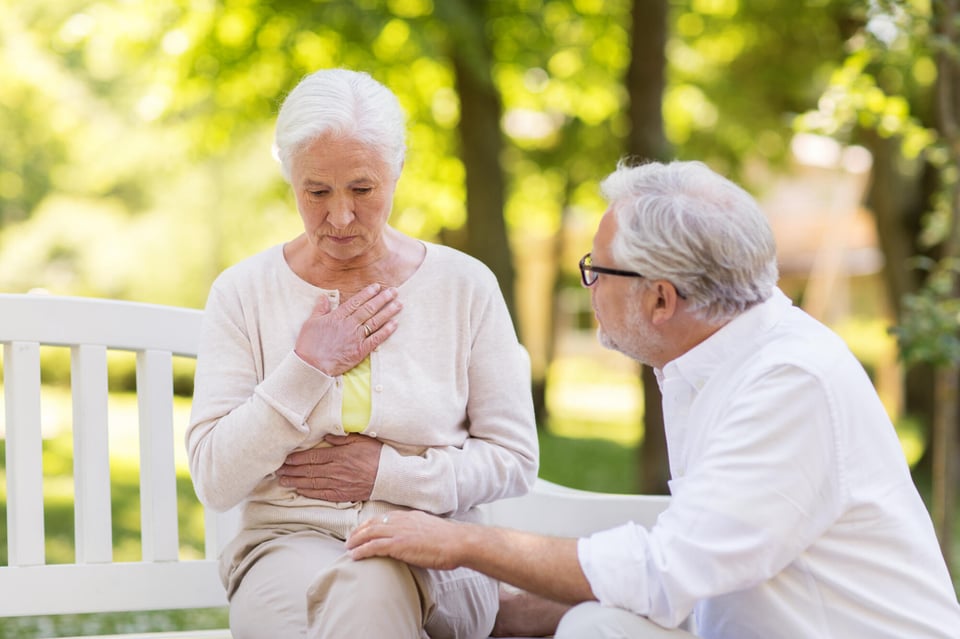
Heart attacks in women do not always look like the big chest pain we see in movies. Early warning signs of a heart attack in women can include things like:
- Feeling very tired for no reason
- Trouble breathing during easy tasks
- Pain in the back or jaw
These early cardiac symptoms are harder to notice in seniors because aging can hide them.
Think about this fact from the American Heart Association: About one in five heart attacks is silent, with no clear signs, and women have a higher chance of these quiet events. This matters more for older adults, where silent heart attacks in women can seem like part of getting older, which means help comes too late and problems grow.
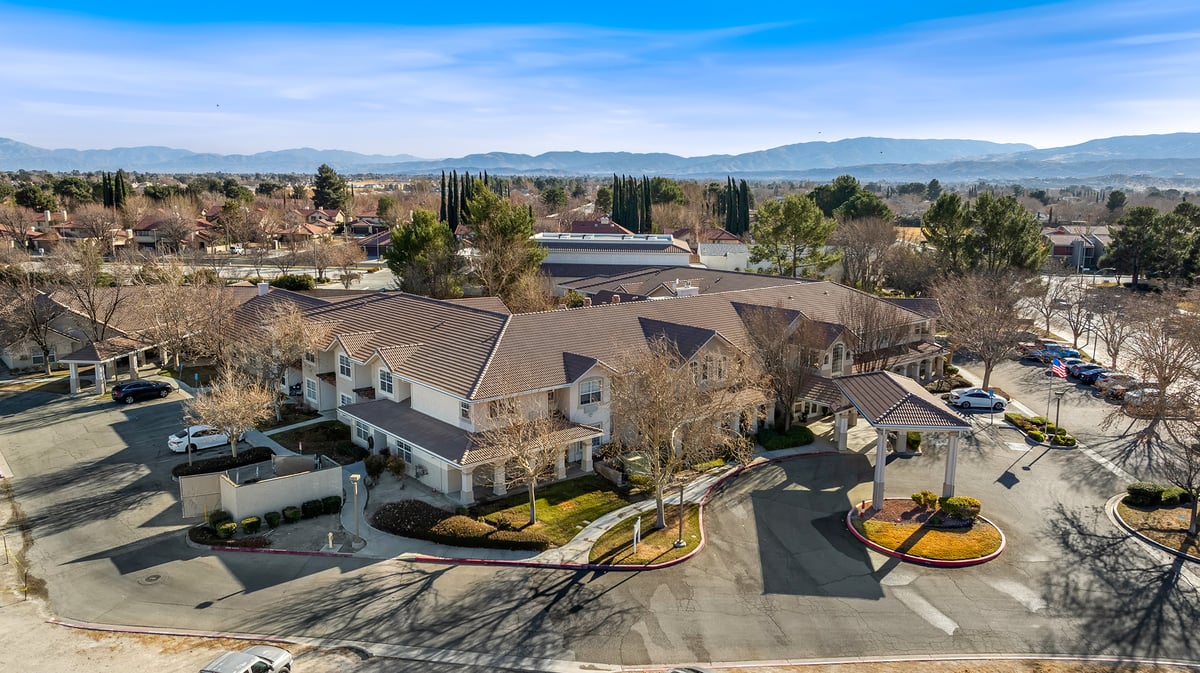
At Bellamar Lancaster in Lancaster, CA, we put senior heart health first in daily life. We offer things like healthy meals made to feed the body well and caring staff who check on how residents feel.
Why Do Heart Attack Symptoms Differ in Seniors?
Heart attacks do not affect everyone the same way, and this shows up more in older folks. As people age, their bodies change. Pain signals get weaker because nerves work less well. This makes symptoms feel mild or not there at all.
For women over 65, things get even trickier. After menopause, hormone shifts make blood vessels less flexible. Conditions like diabetes or arthritis can hide heart signs, too, because they make aches seem normal.
Look at the numbers. A study by DeVon et al. in BioResearch found that older women report fewer classic symptoms than younger ones. They miss things like chest pressure.
The American Heart Association says women often feel vague issues, not sharp pain. In seniors, silent heart attacks in women happen more, with up to half of heart attacks in older adults going unnoticed at first.
In our community, we help by encouraging daily walks and balanced meals to support senior heart health. But knowing these differences empowers you. If something feels off, even small, talk to a doctor fast.
What Are the Four Silent Signs of a Heart Attack in a Woman?
Silent heart attacks sneak up without big warnings. They harm the heart but skip the drama. For women, especially seniors, four key signs stand out:
- First, shortness of breath
- You gasp for air during rest or light chores
- It feels like you ran but did not
- Second, back pain
- Not from lifting, but a dull ache between the shoulders
- Third, jaw or neck discomfort
- Like a toothache that spreads
- Fourth, nausea or upset stomach
- You feel sick, maybe vomit, without food issues
These early cardiac symptoms whisper instead of shouting. Pay attention to patterns. If these hit suddenly and strongly, seek help.
How Do I Know if It's Anxiety or Heart Problems?
Anxiety and heart issues can feel a lot alike, and that overlap confuses plenty of people, especially when symptoms pop up out of the blue. With both, you might notice:
- A racing heart
- Sweaty palms
- A tight feeling in your chest
But a few key differences can help you figure out what's going on. Anxiety often kicks in during stressful moments, like before a big event or when worries build up, and those feelings tend to peak fast, maybe in ten to 20 minutes, then ease off as you calm down.
Heart problems, on the other hand, don't always tie to stress; they can linger longer and might spread discomfort to your:
- Arms
- Back
- Jaw
Pay close attention to the details to sort them out. With anxiety, chest pain usually stays sharp and focused in one spot, and deep breathing might help it fade. For heart concerns, the pain often feels like a broad squeeze or pressure that gets worse if you move around.
We understand how confusing this can be, and that's why fostering a peaceful routine matters for older women's health. If doubt creeps in, always reach out to a doctor; erring on the side of caution keeps you thriving.
Knowledge like this empowers you to listen to your body and act with confidence.
Frequently Asked Questions
How Long Before a Heart Attack Do Symptoms Start?
Symptoms can show up days, weeks, or even a month ahead for some women. You might feel extra tired, weak, or short of breath during normal tasks, like walking to the kitchen. Chest aches or sleep troubles can pop up, too.
A Geisinger Health report says these early clues give a chance to act before the big event. Track how you feel each day. If the changes last, see a doctor.
Can Lifestyle Changes Reduce Heart Attack Risks in Seniors?
Yes, small shifts in daily habits cut heart risks a lot for senior women.
- Start with walks or light moving for 30 minutes most days to keep blood flowing well.
- Eat more fruits, veggies, and whole grains while cutting salt and fats.
- Quit smoking if you do, and aim for a healthy weight.
Johns Hopkins Medicine shares that these steps lower risks big time. Add stress busters like deep breaths or hobbies.
What Happens After a Silent Heart Attack in Older Women?
A silent heart attack still harms the heart, often leaving scars that weaken it over time. You might feel more tired or short of breath later, and the risks for heart failure or another attack go up.
Studies by Qureshi et al. in the Journal of the American College of Cardiology show individuals face 35% higher odds of heart issues after one. But with check-ups and care, you can bounce back.
Stay Alert to Early Warning Signs of a Heart Attack in Women
Heart attacks do not always announce themselves with big drama, especially in older women, where signs sneak up quietly. Remember, early warning signs of a heart attack in women often hide as everyday stuff, but staying sharp on senior heart risk signs and early cardiac symptoms keeps you or your loved one ahead of the game.
At Bellamar Lancaster, we weave this awareness right into daily life, with our exclusive Elevate® Dining program standing out as a real gem. Our onsite health & wellness programs add in gentle exercise classes and fun activities to keep bodies moving and minds engaged.
Give us a call at 661.750.4160 to chat about a tour today.