
Summary
Understanding the nursing home vs. senior living community difference helps families choose the right level of care based on medical needs, daily support, and lifestyle preferences. Skilled nursing provides intensive medical oversight for recovery or complex health conditions, while senior living communities emphasize residential support and personal routines.
- Skilled nursing is appropriate for people requiring around-the-clock medical care, therapy, wound management, and assistance with multiple daily activities, often after illness, surgery, or significant health changes
- Assisted Living combines personalized support with apartment-home living, including chef-prepared meals, housekeeping, transportation, and community programs for those who need daily help but not intensive medical services
- Specialized memory support communities serve residents living with dementia or Alzheimer's disease, using person-centered programming focused on individual abilities and preferences rather than diagnosis alone
- The right choice depends on whether the person needs ongoing medical treatment, how much nursing oversight a physician recommends, and whether a residential setting with meals and daily support meets their needs
- Needs can change over time, and families can transition between care levels as health circumstances evolve
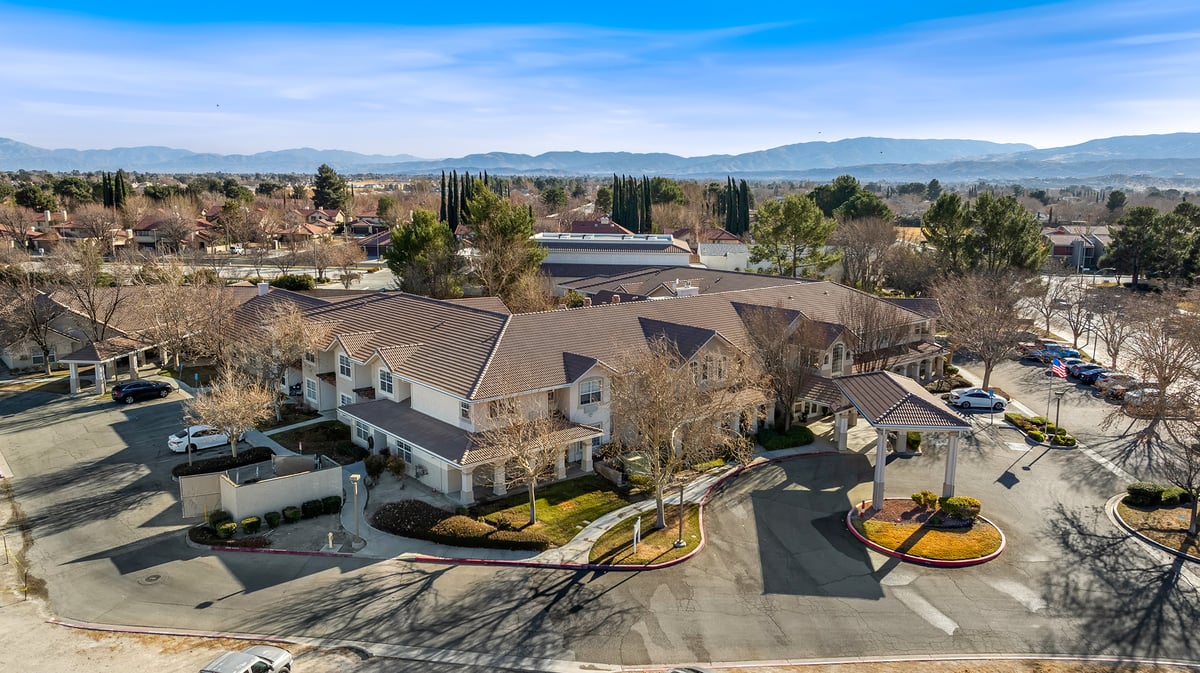
When an older adult needs more support, families can quickly encounter terminology that sounds similar but describes very different settings. Understanding the skilled nursing vs. senior living community difference can help you narrow your search based on health needs, daily support, and preferred lifestyle. In Lancaster, Bellamar Lancaster offers Assisted Living and Generations Memory Care®, providing community-based support for older adults who do not require the intensive medical services associated with skilled nursing.
What Does Skilled Nursing Provide?
Skilled nursing serves people who need a higher level of medical oversight, often after an illness, injury, surgery, or significant change in health. Some stays are temporary and focused on recovery, while others are longer term.
Skilled nursing may include:
Around-the-clock nursing oversight and medical support
Physical, occupational, or speech therapy when ordered
Wound management, medication administration, and other complex treatments
Assistance with multiple Activities of Daily Living (ADLs), including bathing, dressing, eating, and mobility
The daily schedule often revolves around medical needs, rehabilitation appointments, and clinical routines. Rooms may be private or shared depending on the setting.
For families asking whether they need skilled nursing or assisted living, the primary question is how much medical oversight the older adult currently requires.
How Is Senior Living Different?
A senior living community focuses more on residential support, personal routines, connection, dining, and everyday convenience. Assisted living is appropriate for people who benefit from help with certain daily tasks but do not need the intensive medical services provided in skilled nursing.
Assisted Living at Bellamar Lancaster combines personalized support with an apartment-home setting. Residents can receive assistance with daily routines while also having access to chef-prepared meals, weekly housekeeping, scheduled transportation, and community programs.
Common features of assisted living include:
Private apartment homes with personal furnishings and décor
Support with bathing, dressing, medication management, and other ADLs
Restaurant-style dining, housekeeping, laundry, and transportation
Wellness, creative, educational, and social programs based on resident interests
This distinction is central to understanding the difference between skilled nursing and assisted living. One emphasizes medical and nursing needs, while the other combines personalized assistance with residential community life.
What About Memory Support?
Memory support represents another distinct option. Bellamar Lancaster offers Generations Memory Care® for residents living with Alzheimer’s disease and other forms of dementia.
Generations Memory Care® follows a person-centered philosophy that focuses on the resident as a whole person rather than defining them by a diagnosis. Programming such as Tune into Me, Culinary Creations, and From Our Generation to Yours helps Associates build engagement around residents’ histories, abilities, and preferences.
Memory support may be appropriate when cognitive changes require a more structured environment and dementia-specific expertise but do not require the level of medical treatment found in skilled nursing.
Compare Daily Life, Not Just Support Levels
The senior living community vs. skilled nursing decision should also consider how the person wants to spend each day.
At Bellamar Lancaster, residents can participate in Vibrant Life®, enjoy Elevate® Dining, use scheduled transportation, and spend time in amenities such as the courtyard, dog park, arts and crafts room, bistro, and professional salon and barbershop. Assisted Living apartment homes range from suites to one- and two-bedroom layouts.
Families can review floor plans and pricing before visiting to better understand the residential options.
When comparing skilled nursing vs. residential care, ask:
Does the person need ongoing medical treatment or primarily help with everyday routines?
How much nursing oversight has a physician or other health professional recommended?
Would an apartment-home setting with meals, transportation, housekeeping, and daily support meet current needs?
Are cognitive changes significant enough to make specialized memory support worth exploring?
These questions help separate medical requirements from lifestyle and personal-support needs.
Frequently Asked Questions
Is Assisted Living the Same as Skilled Nursing?
No. Assisted living generally provides residential support with daily routines, while skilled nursing provides a higher level of medical and nursing services.
Can Someone Move From Assisted Living to Skilled Nursing Later?
Yes. Needs can change. Families should work with appropriate health professionals to determine whether a higher level of medical support becomes necessary.
What Are Alternatives to Skilled Nursing for Older Adults?
Depending on the person's needs, assisted living or specialized memory support may be appropriate alternatives when continuous skilled medical treatment is not required.
Find the Right Level of Support in Lancaster
Choosing between skilled nursing and senior living starts with understanding the older adult’s current medical needs, daily routines, preferences, and goals. Comparing the level of support alongside the living environment can help families choose more confidently.
Schedule a tour of Bellamar Lancaster to explore Assisted Living and Generations Memory Care® in person.